

Introduction — a short scene, a few numbers, and a question
I was at a small-town wellness fair last summer when I watched an older neighbor sit under an infrared bed and relax for the first time — she sighed like someone taking off tight boots after a long day. In that moment I thought about how infrared beds are moving from niche clinics into everyday wellness (and yes, that surprised me). Recent surveys show home-use red light devices grew by double digits year over year, and clinics report higher patient retention when they add targeted photobiomodulation sessions — so what’s actually changing for users and clinics? How do we move from novelty to reliable care?
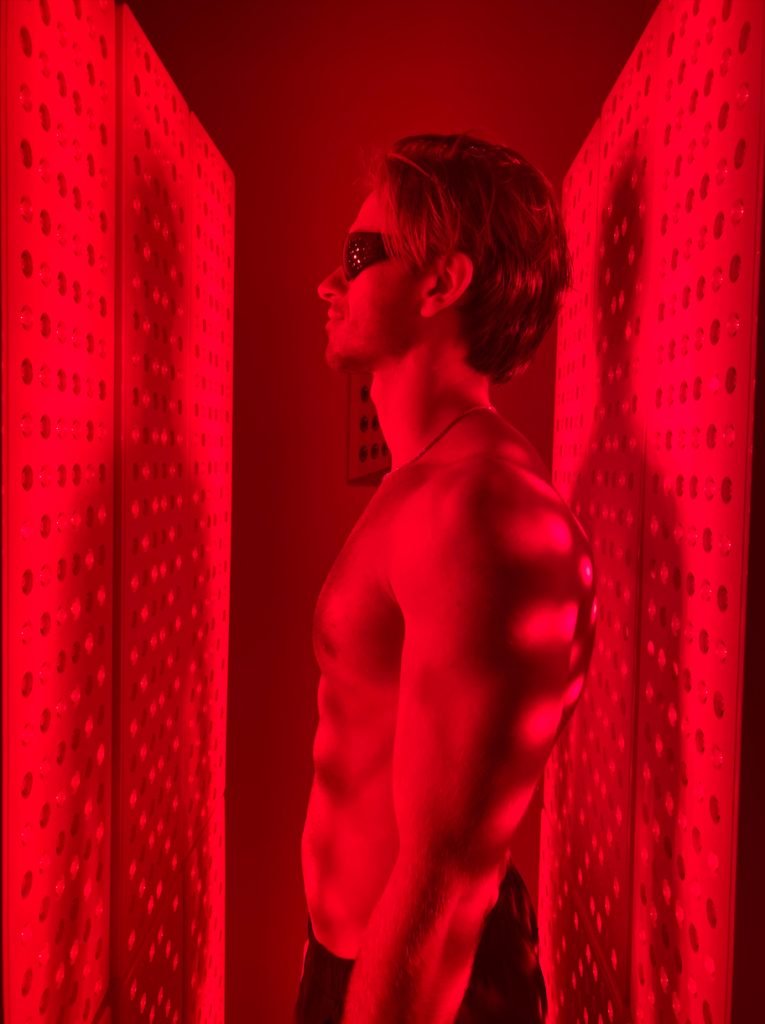
That scene set a clear frame for the rest of this piece: I want to map what’s broken, what’s improving, and—importantly—what you should look for next. Let’s walk through it step by step. — funny how that works, right?
Why conventional approaches often fall short
What actually frustrates users?
When I probe clinics and owners about older setups, two big gaps come up again and again. First, many older systems promised broad benefits but used inconsistent LED arrays and poor heat management. Second, service and uptime were treated like an afterthought: the control boards or power converters would fail, and fixes were slow. I’ve been in rooms where staff tried to explain variability in results and customers left confused. Look, it’s simpler than you think: inconsistent wavelength penetration and uneven light dose mean uneven outcomes.
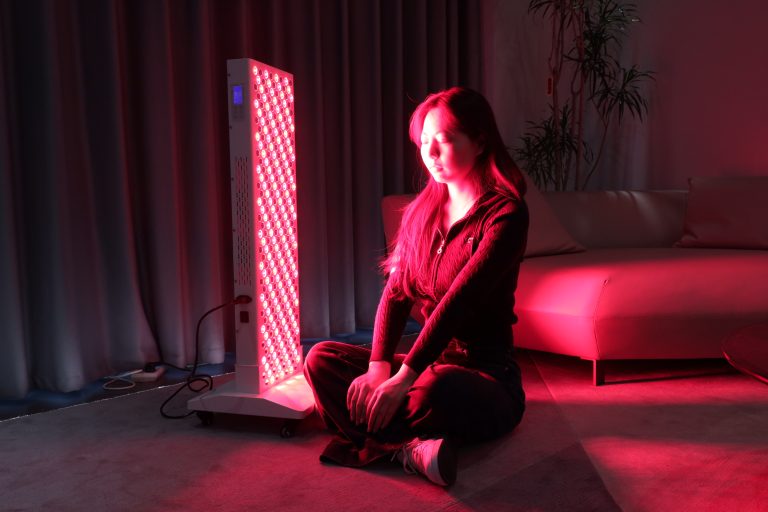
To be concrete: many therapists and patients complain about session inconsistency (timing, intensity), firmware quirks in the control units, and loosened trust when devices overheat — thermal sensors were often absent or unreliable. These are not glamour problems, but they matter. From a technical perspective, photobiomodulation depends on precise wavelengths and dose; if LED arrays aren’t calibrated or power converters dip under load, you lose efficacy. I’d call that an engineering shortfall more than a therapy one — and it’s fixable. — and yes, I checked.
New technology principles reshaping the field
What’s next for design and delivery?
I want to shift forward here and explain the practical principles powering the next generation of devices. For clinics moving toward scalable, dependable setups, three ideas lead the pack: better thermal management, tightly controlled wavelength delivery, and smarter diagnostics. When a modern infrared red light therapy bed uses closed-loop thermal sensors and calibrated LED arrays, sessions become repeatable — and that’s what clinicians crave. We’re also seeing backend firmware that logs session metrics and flags drift in output, which helps technicians fix problems before patients notice.
New systems borrow small ideas from adjacent fields: edge computing nodes for local analytics (so you don’t rely only on the cloud), hardened power converters for stable output under heavy use, and modular LED strips for easy field replacement. These are design moves, not marketing buzz. They reduce downtime, improve wavelength penetration consistency, and make maintenance predictable. The payoff? Better outcomes and fewer surprised staff members.
How to evaluate options — three practical metrics
Before you pick a device or provider I suggest focusing on three clear metrics: output consistency (measured over time), serviceability (how fast can a module be swapped or repaired), and data transparency (does the system record session dose, and can you review it?). I grade devices by these criteria in my own notes, and they separate marketing from real-world value. Look for specs on thermal sensors, wavelength range, and whether the system supports firmware updates — those little details tell you what you’ll get in year two or three.
In short: I’ve seen old gaps close when manufacturers treat engineering and user experience with equal weight. If you care about predictability and long-term performance, push vendors on those points. For more on vendors and practical choices, I recommend checking solutions that combine sound engineering with clear service plans — like the offerings at Magique Power.